Le Corbusier
A figure who led global debates on cities and housing through the Five Points of Modern Architecture and the Modulor.
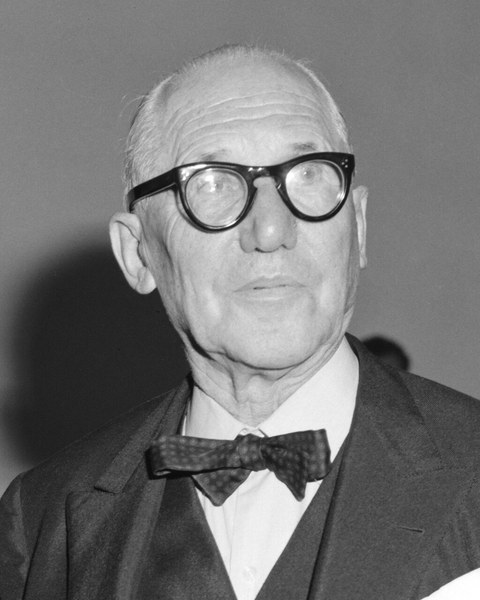
Born Charles-Édouard Jeanneret in Switzerland, he worked in Paris under the name Le Corbusier. His practice was inseparable from his work as a painter, theorist, and planner.
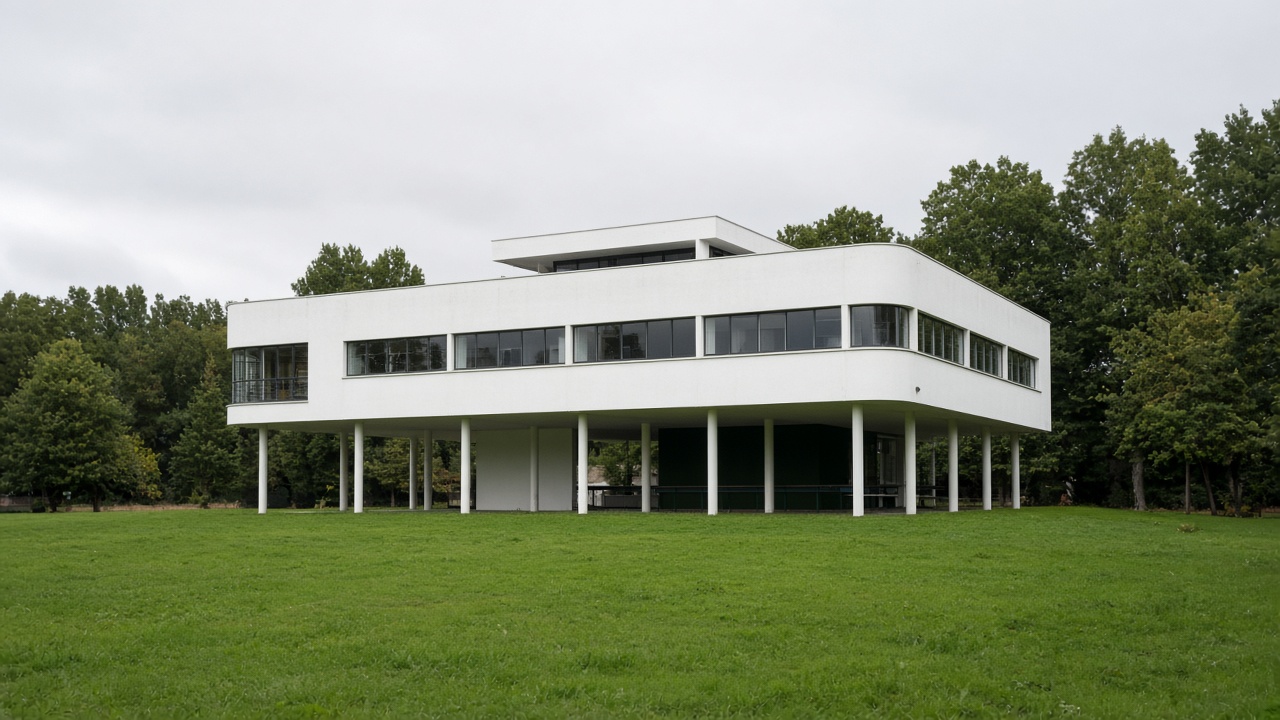
Villa Savoye condenses pilotis, roof garden, free plan, free facade, and horizontal windows. Automobile access and promenade-like movement organize the plan.
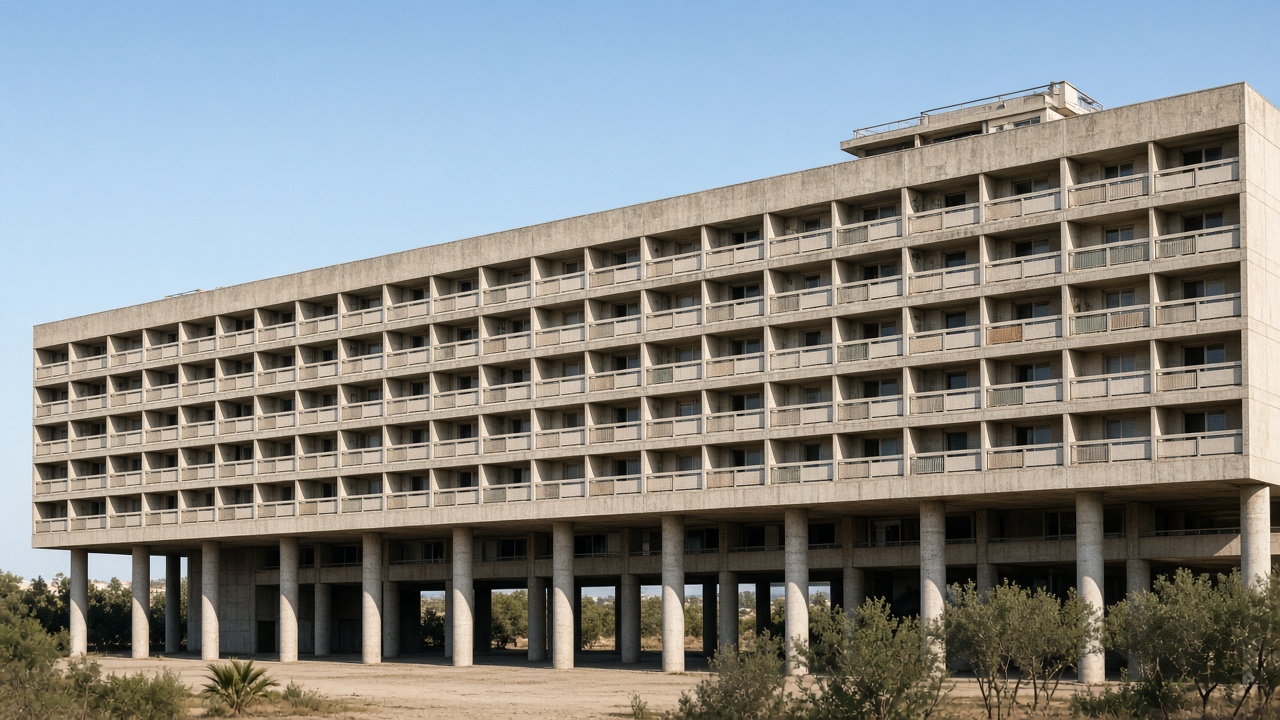
Unité d’Habitation in Marseille combines housing, shops, and roof facilities in a vertical village. It is often linked to early Brutalism.
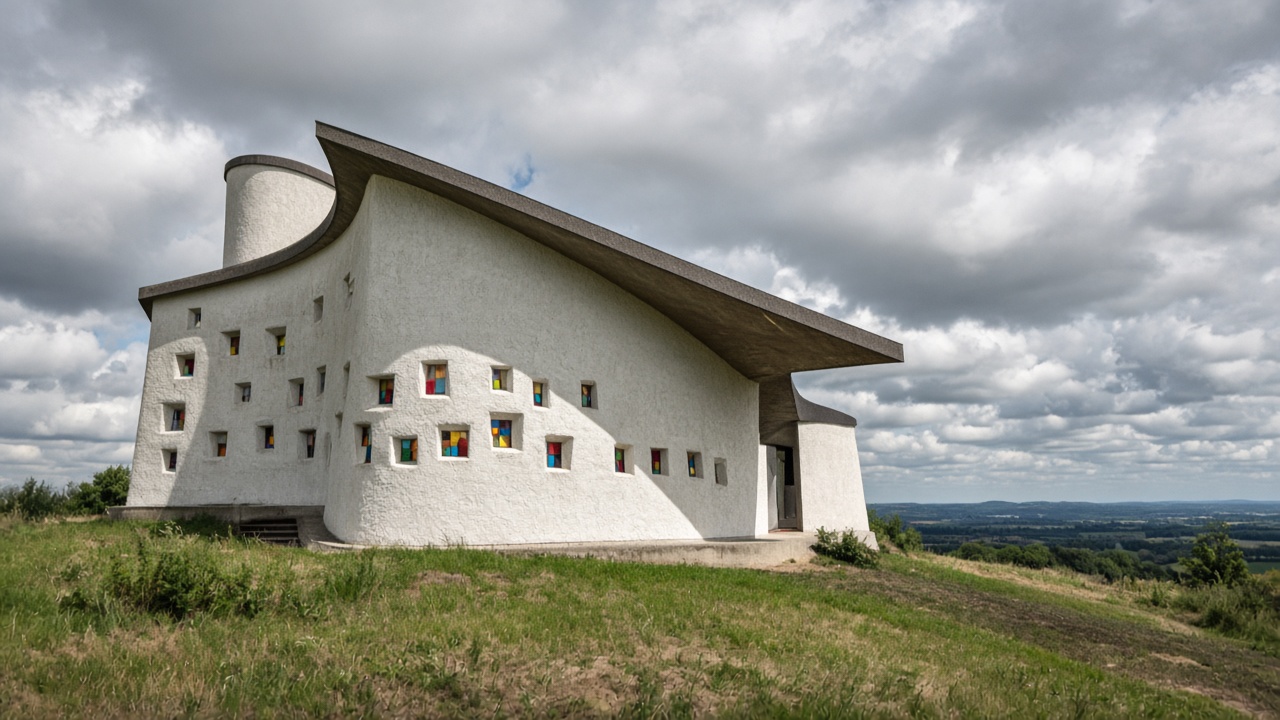
Notre-Dame du Haut at Ronchamp creates sacred atmosphere through a sculptural roof and apertures in thick walls. It opened his supposedly rationalist vocabulary toward expression.
The Modulor, Athens Charter, and urban plans drew both praise and criticism. Even so, his ideas became a common language of twentieth-century architectural education and practice.