Louis Kahn
An architect who renewed monumental modernism through light, structure, and the distinction between served and servant spaces.
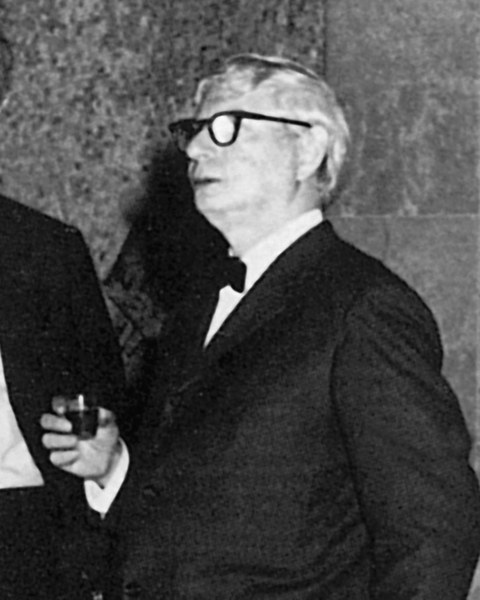
Born in Estonia, Kahn grew up and worked in Philadelphia. He achieved international recognition relatively late and produced an intense body of work in a short mature period.
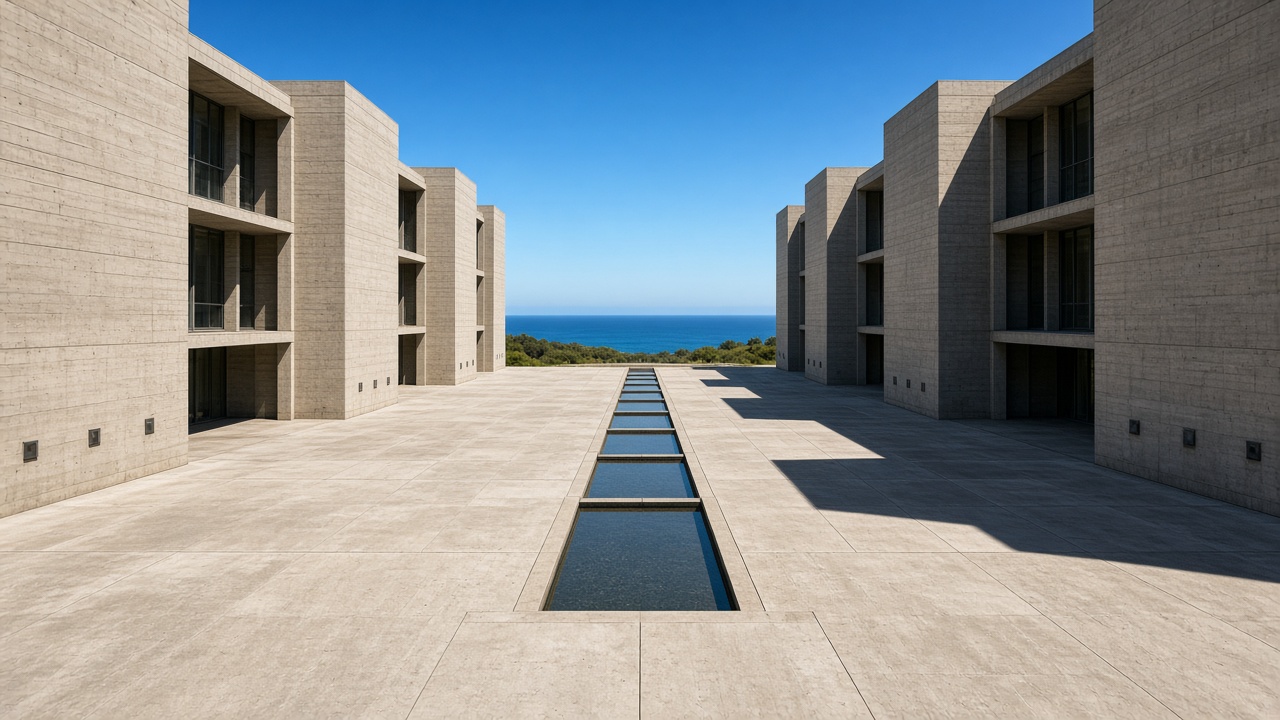
The Salk Institute is famous for the rigorous axis of its laboratories and central court toward the Pacific. Emptiness becomes the center of research life.
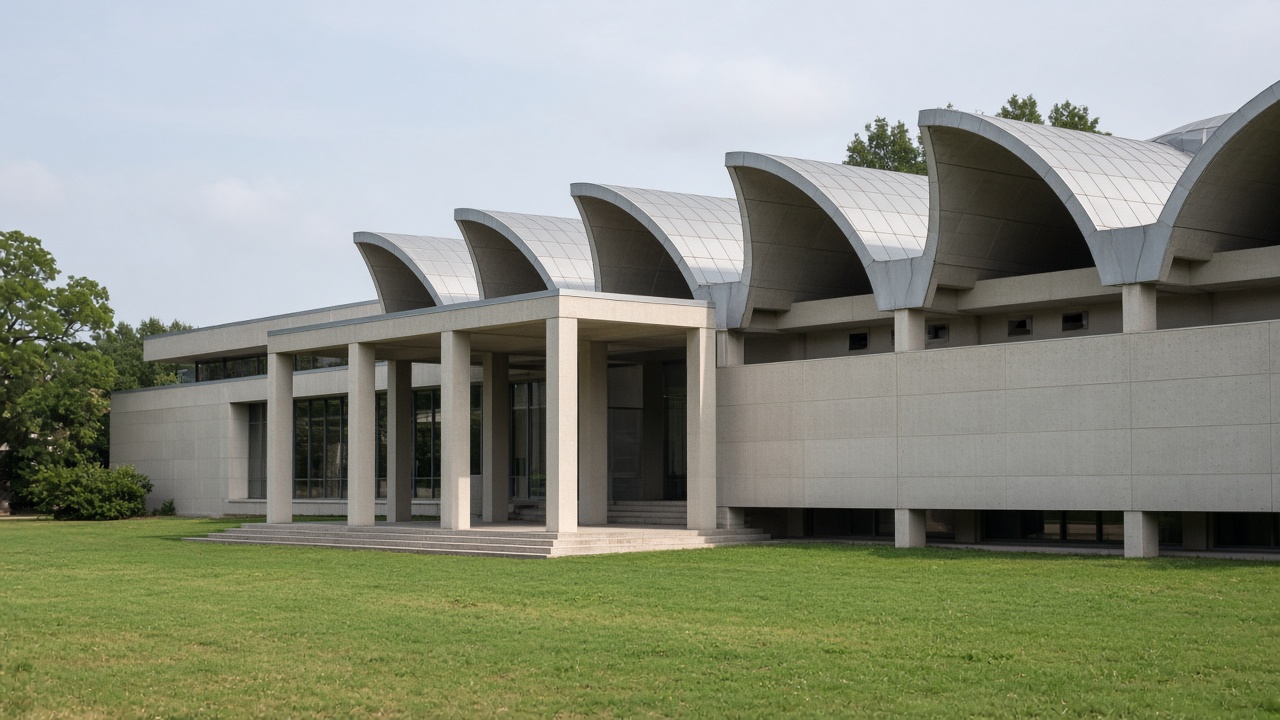
The Kimbell Art Museum joins cycloid vaults and daylight slots into one system of exhibition, structure, and movement.
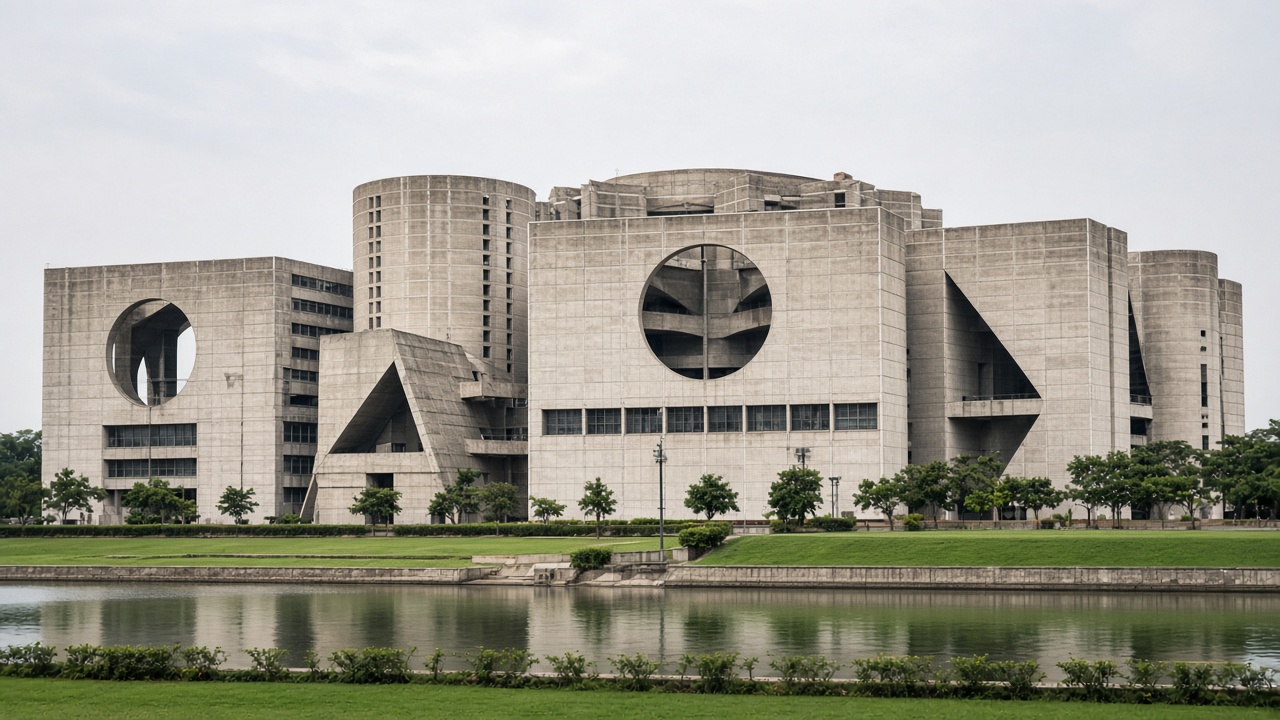
The National Assembly in Dhaka uses geometric openings and water courts at the scale of a governmental campus. Its organization strongly expresses Kahn’s distinction between served and servant space.
Also an influential teacher, Kahn argued that materials and light determine a building’s character, famously asking what a brick wants to be.